Erika Atzl
Internship Journal Number Three
June 3, 2006
_____________________________________________________________________
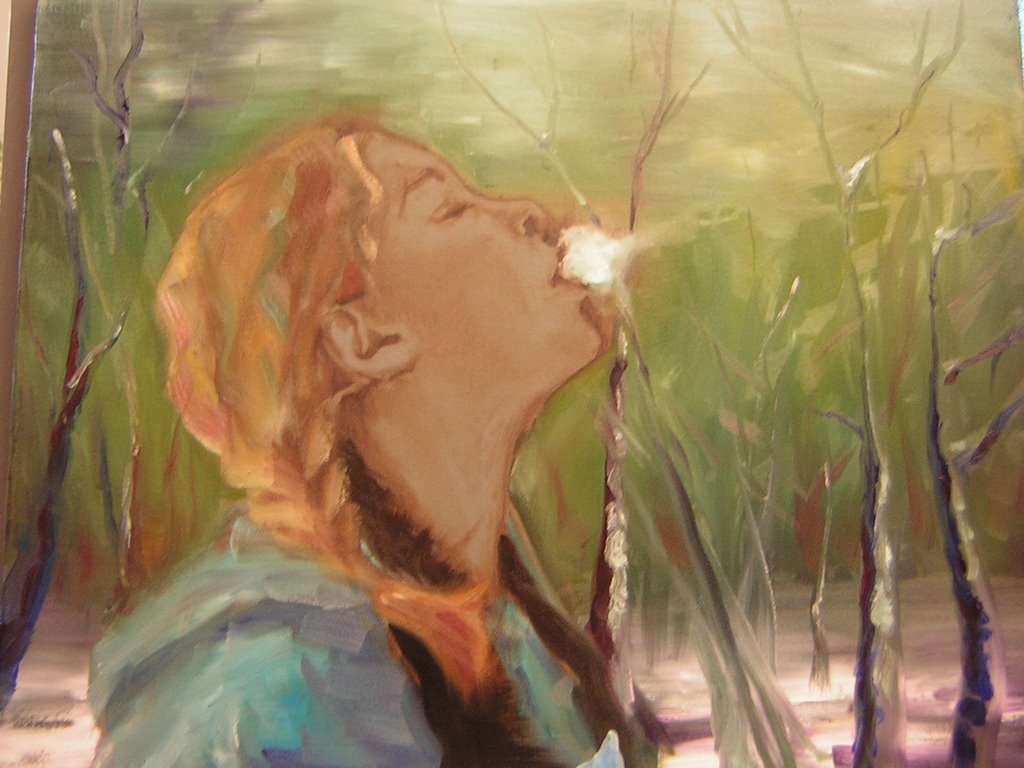
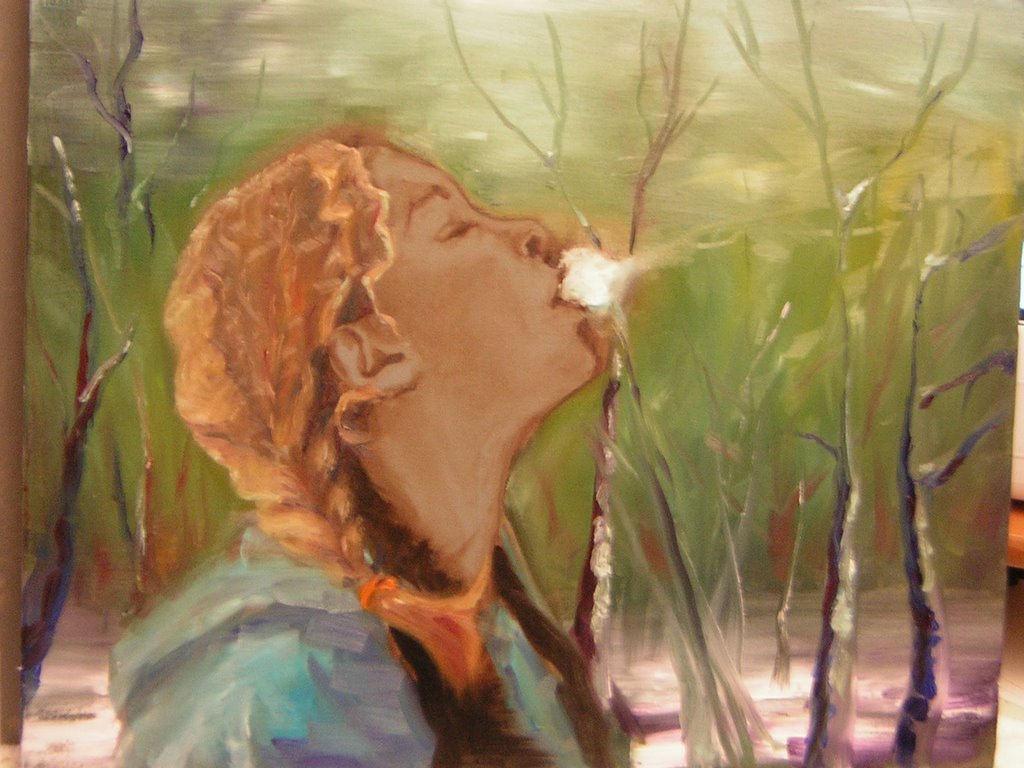
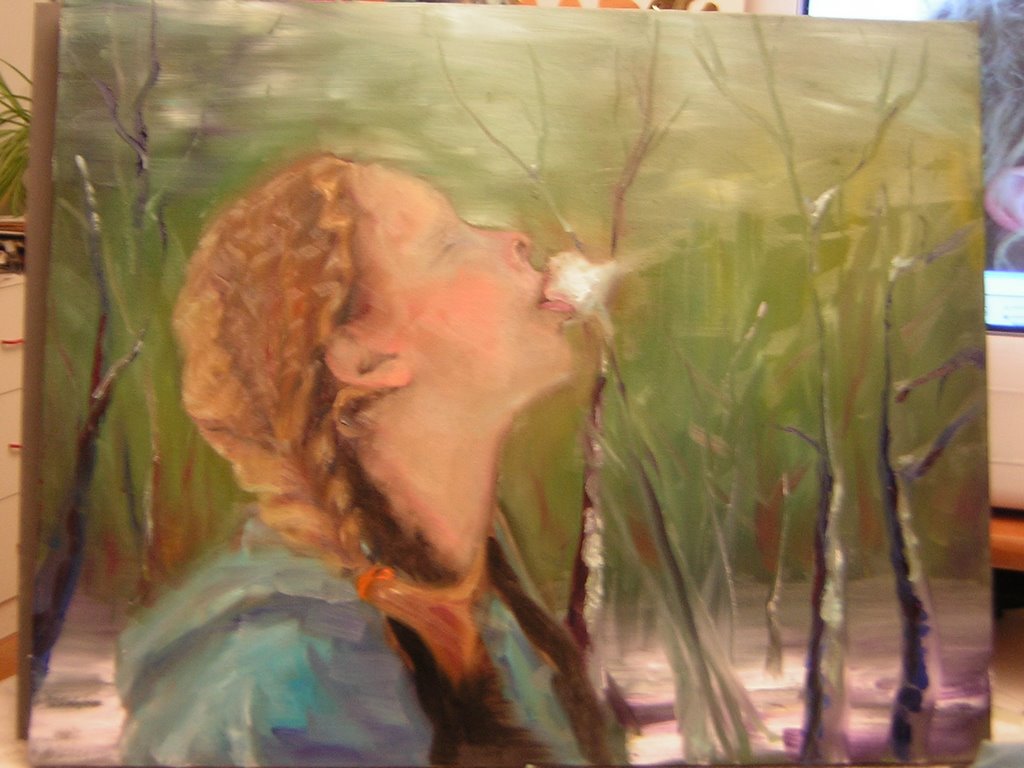
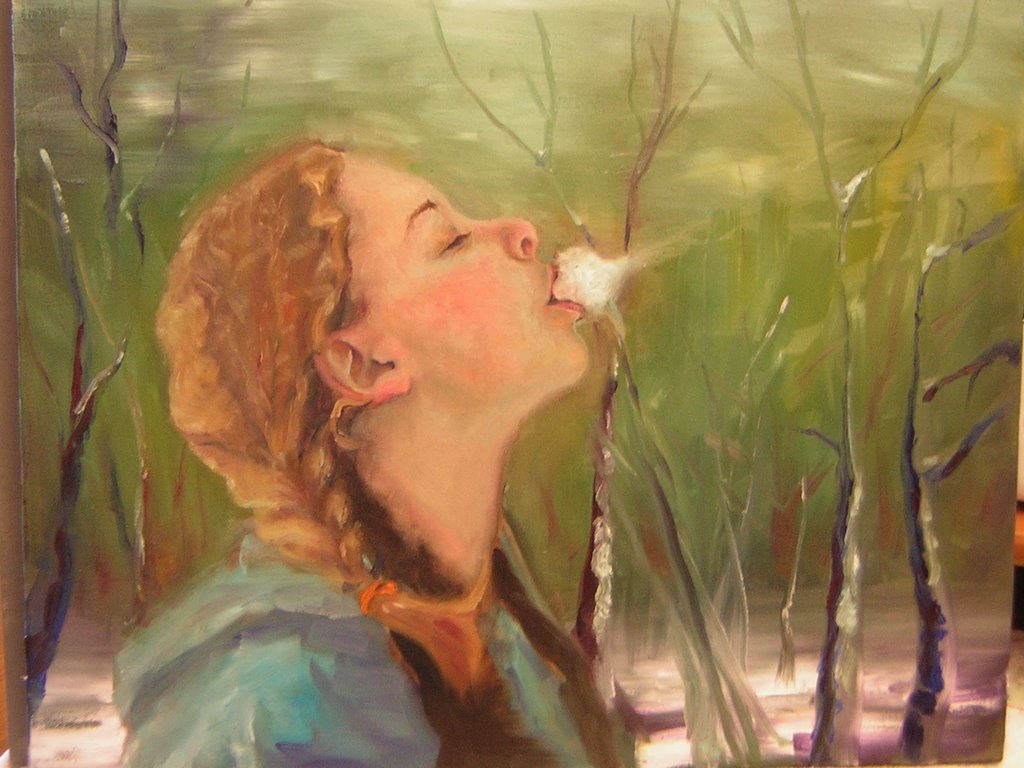
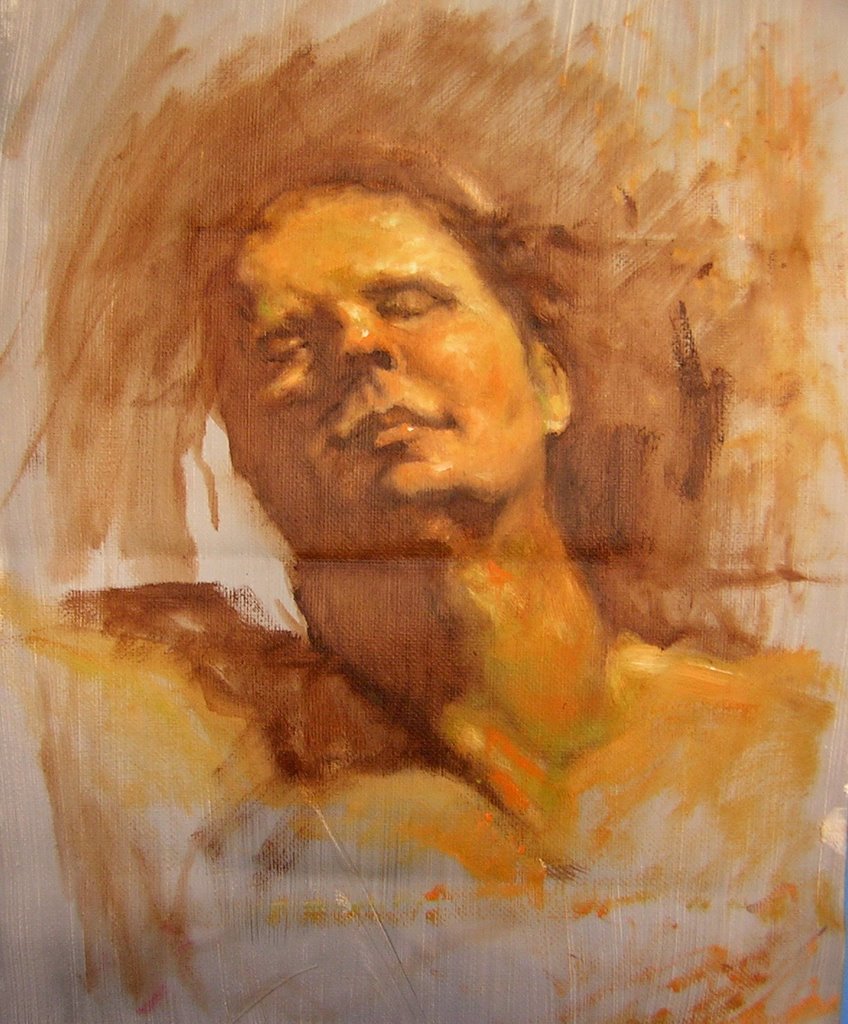
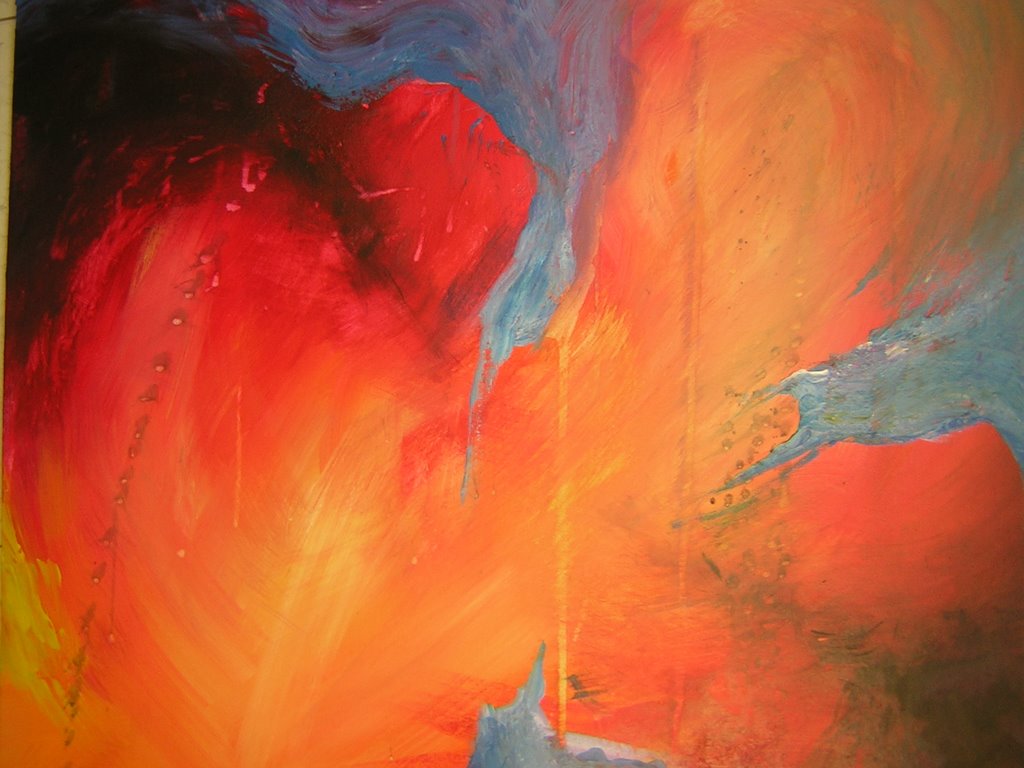
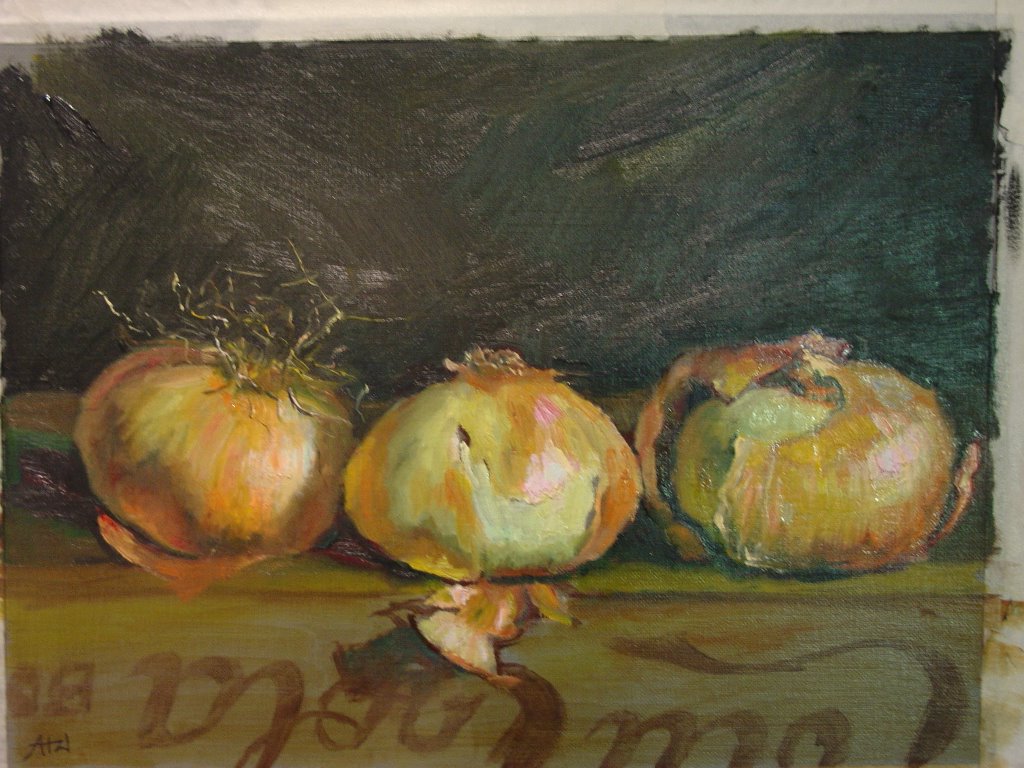
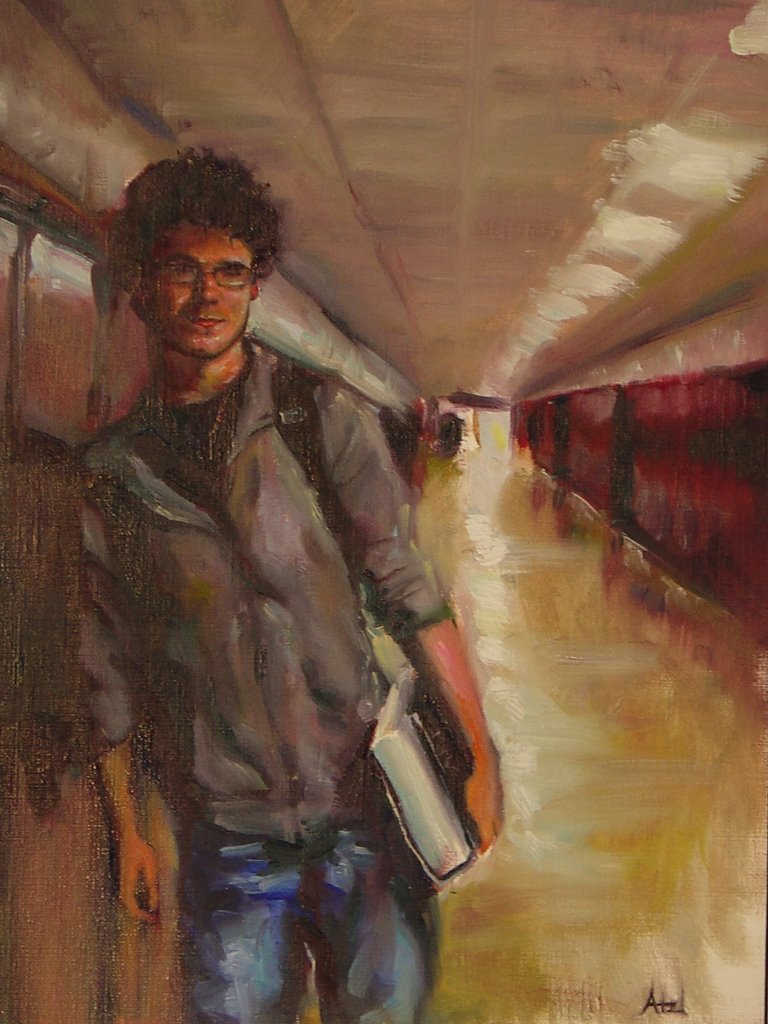
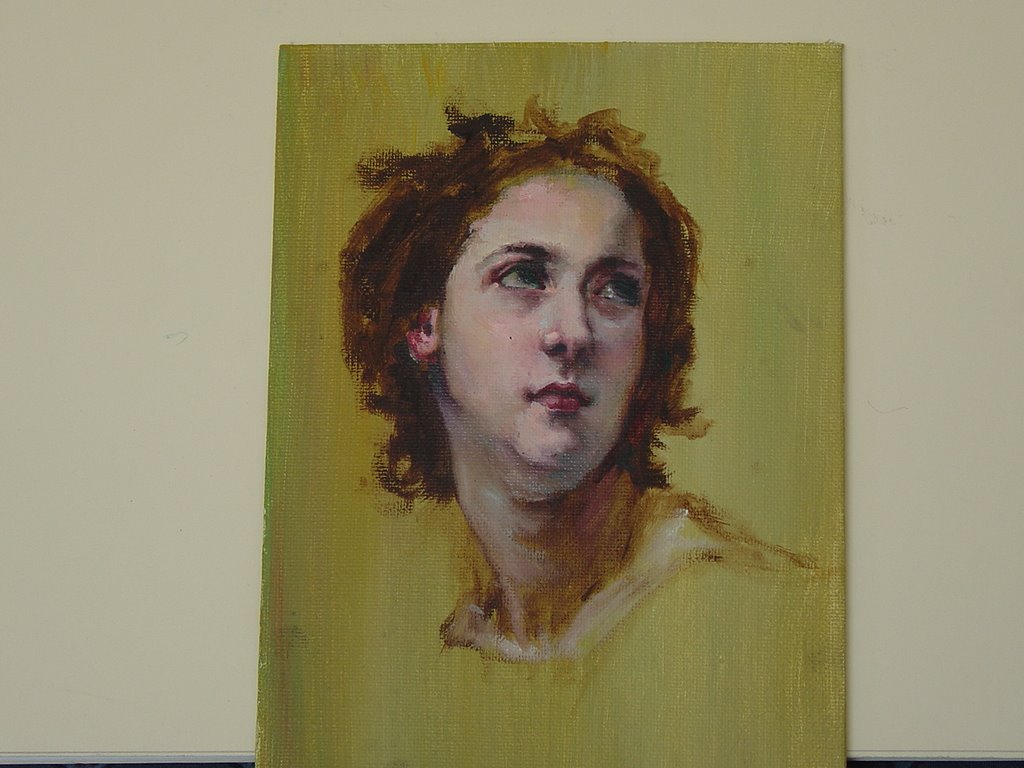
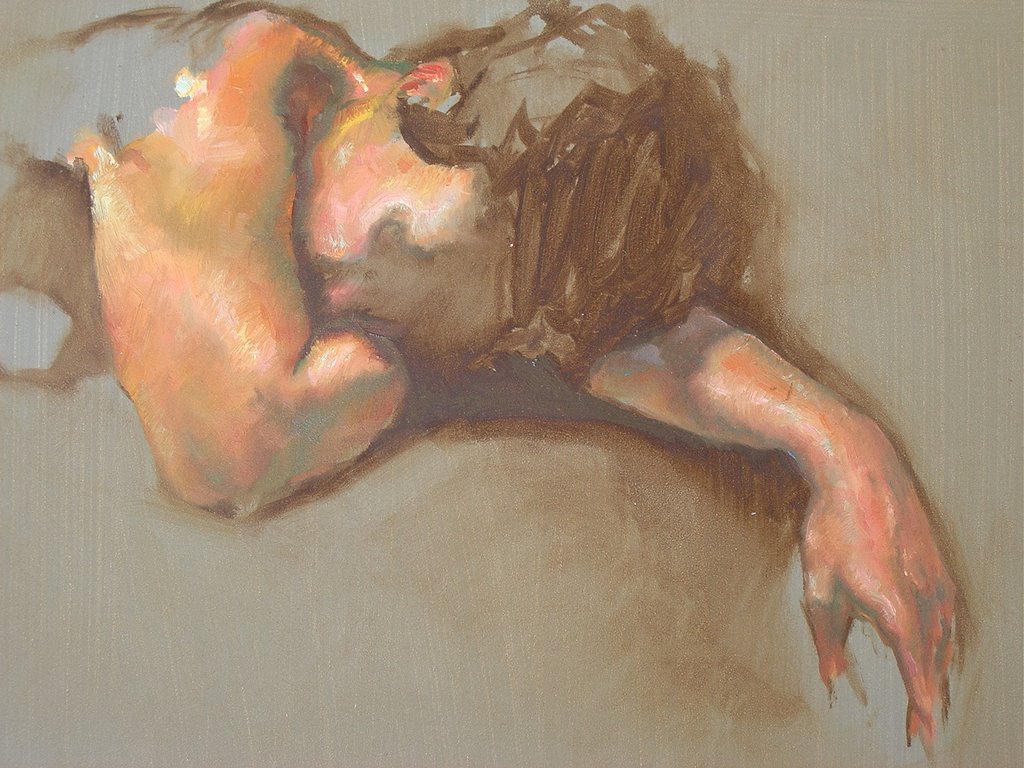
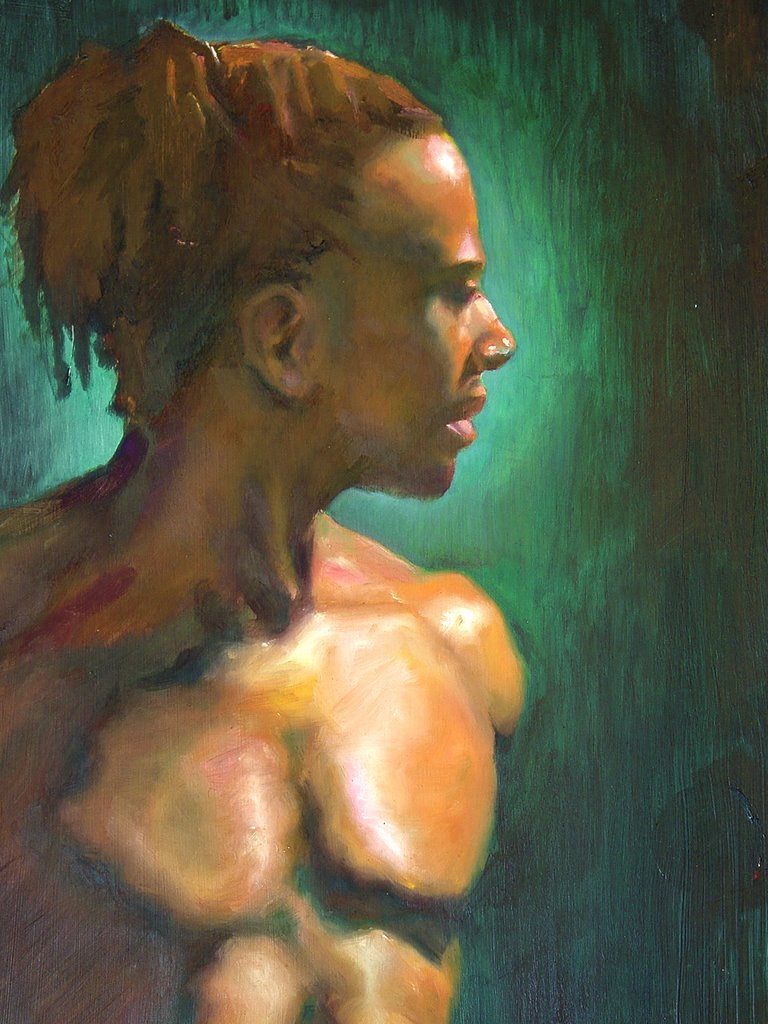
Robert teaches his students to apply the paint in a basic way of gradually applying the paint more and more thickly as it builds up in intensity of light. These paintings are flecked with sudden jumps from the intensity of the midtone to the highlight. As you can see from even his own paintings, he often keeps his highlights as a simple dash, making the highlight absolutely unmistakable and intensely vibrant. From there, the only alteration to the highlight would be what he calls “tickling” the paint, keeping the paint stroke full of “action” and completely vibrant at the same time. This mimics the natural movement of the eye. We are not copying from a lifeless, stationary photograph with clear delineated edges, but drawing a living, breathing, moving model. As such, the eye takes in information more discerningly.
In every good painting there should be something called a “center focus.” This can and should be achieved in two reasons and for two ways. Whether literary, visual, or theatrical, the most obvious way to achieve a center focus is by subject matter and composition. For example, if the painting or photographic portrait is commissioned to have the main idea of “I have a beautiful and alluring wife” then the subject matter will be of the woman, and it will be composed in a way that she is likely near the center of the painting, the most exciting colors will be perhaps a part of her clothing, and she would be the most dramatic shifts in light. Pretty obvious. But paintings like Liberace's mimic the the physiology of the eye.
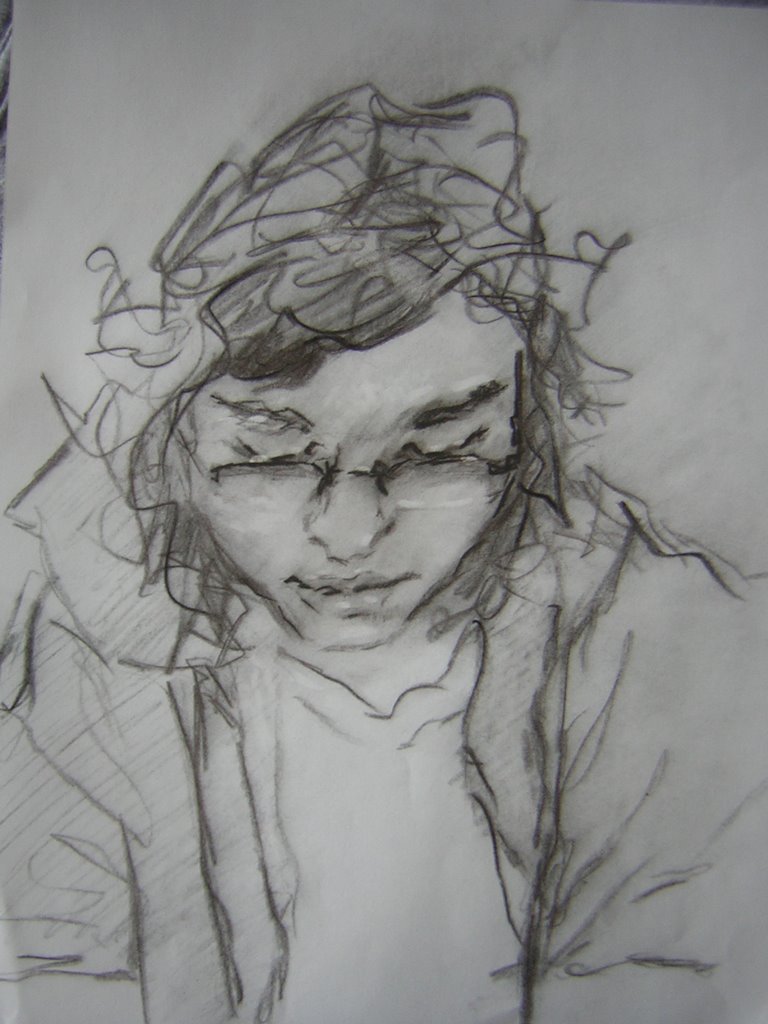
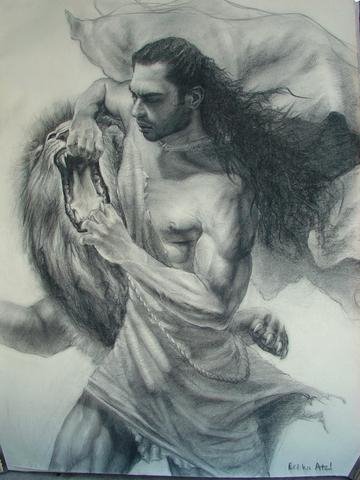
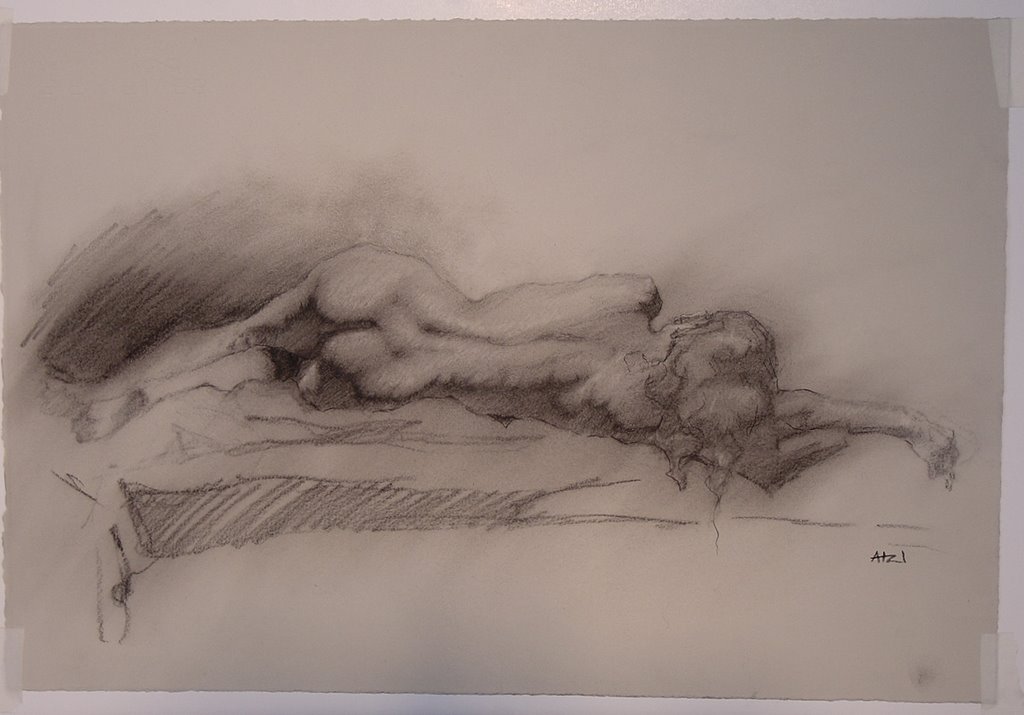
Generally speaking, we are not aware of zones of increased fuzziness around the central image we see. The reason for this is that the eyes are constantly moving, bringing first one part of the visual field and then another to the foveal region as the attention is shifted from one object to another. When the eye looks at an object, let’s say the leaf on a tree, not only does everything else goes slightly out of focus, but the actual edges of the object itself are never entirely clear unless the eye is looking straight at the edge. Therefore, the most beautiful drawings often include a variation between a trembling line and a carefully delineated line, just as the eye itself skips around adjusting to the form, noticing some details and overlooking others.


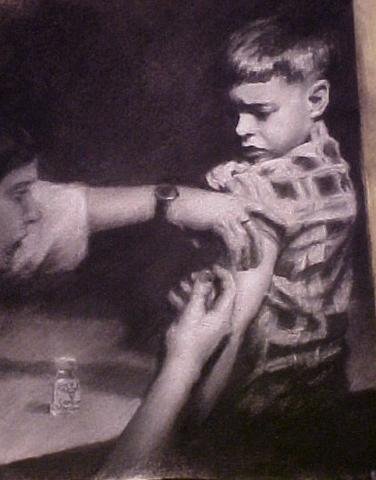
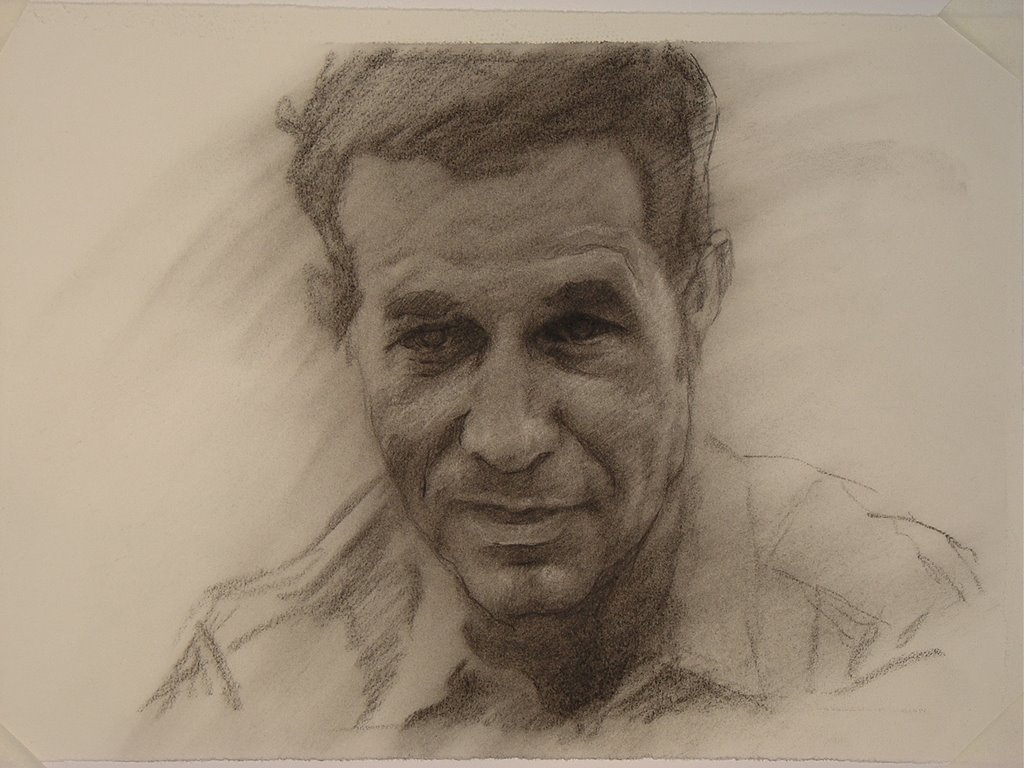
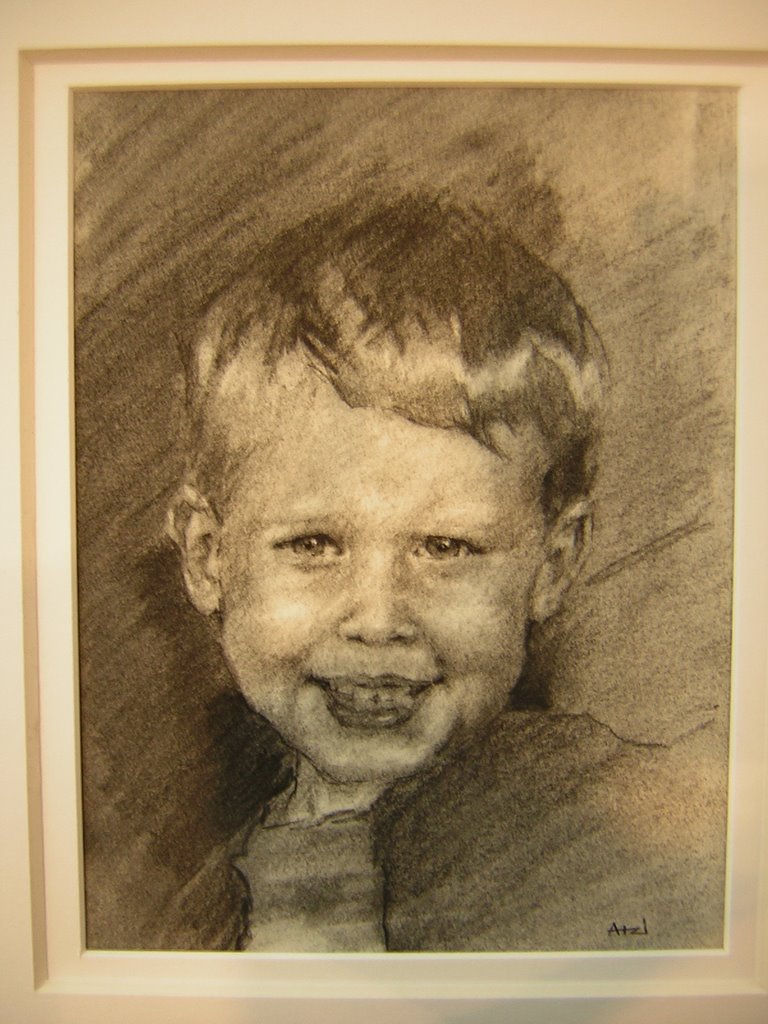 A portrait of a boy in charcoal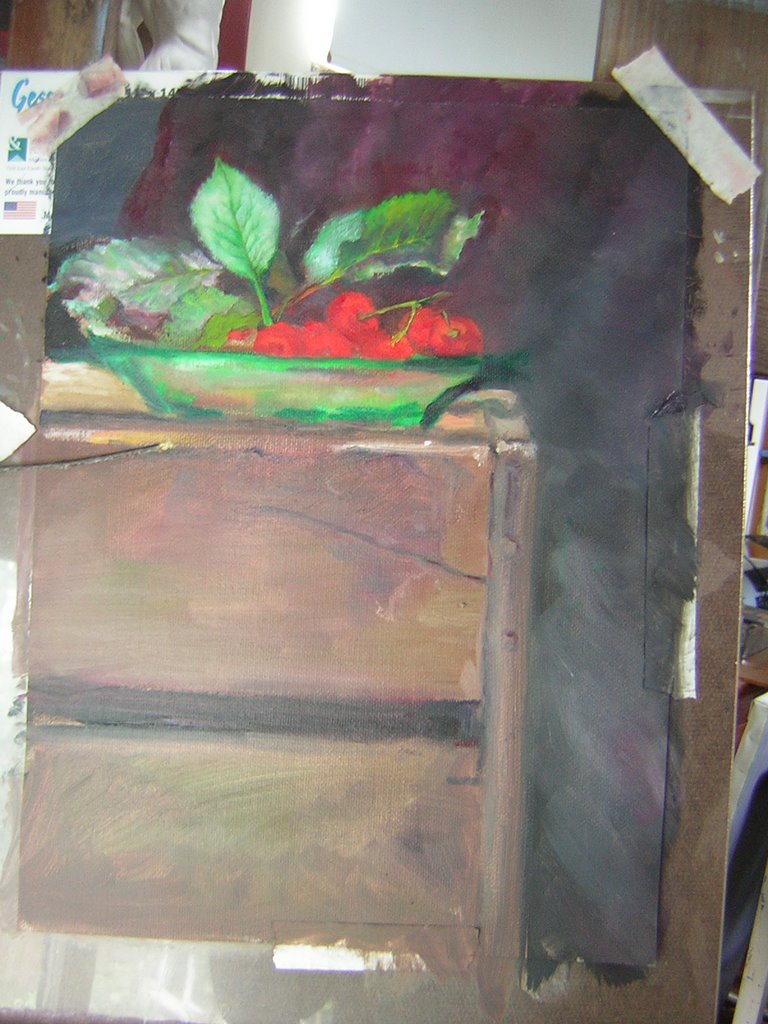


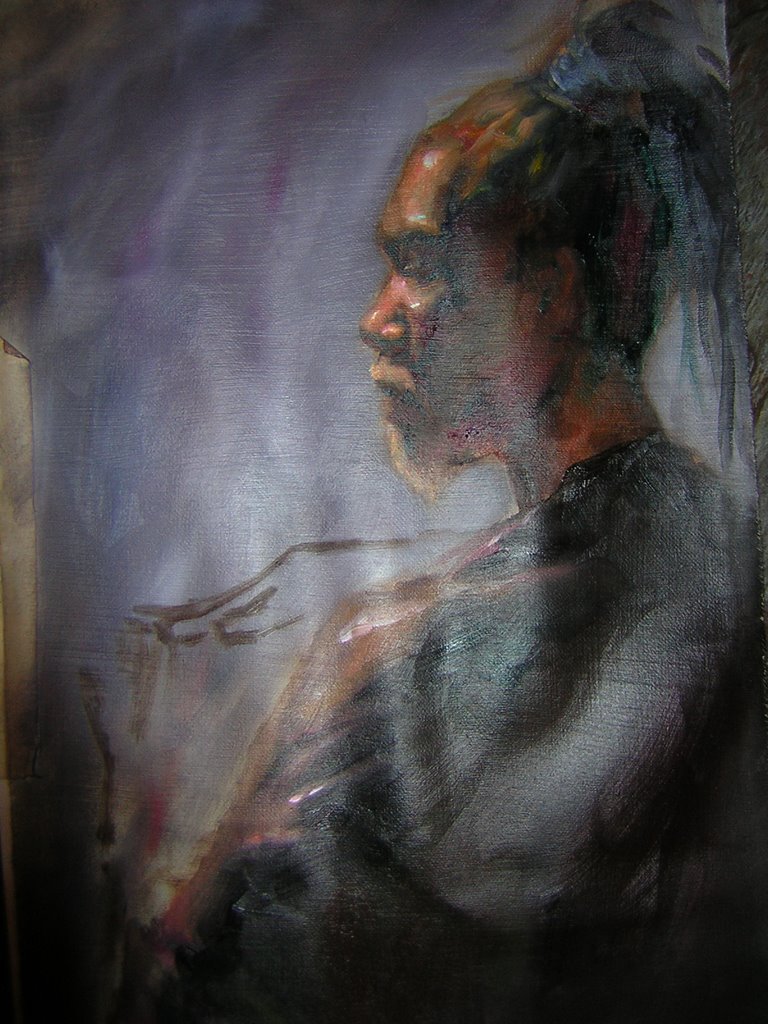 A choppy style of highlighting.
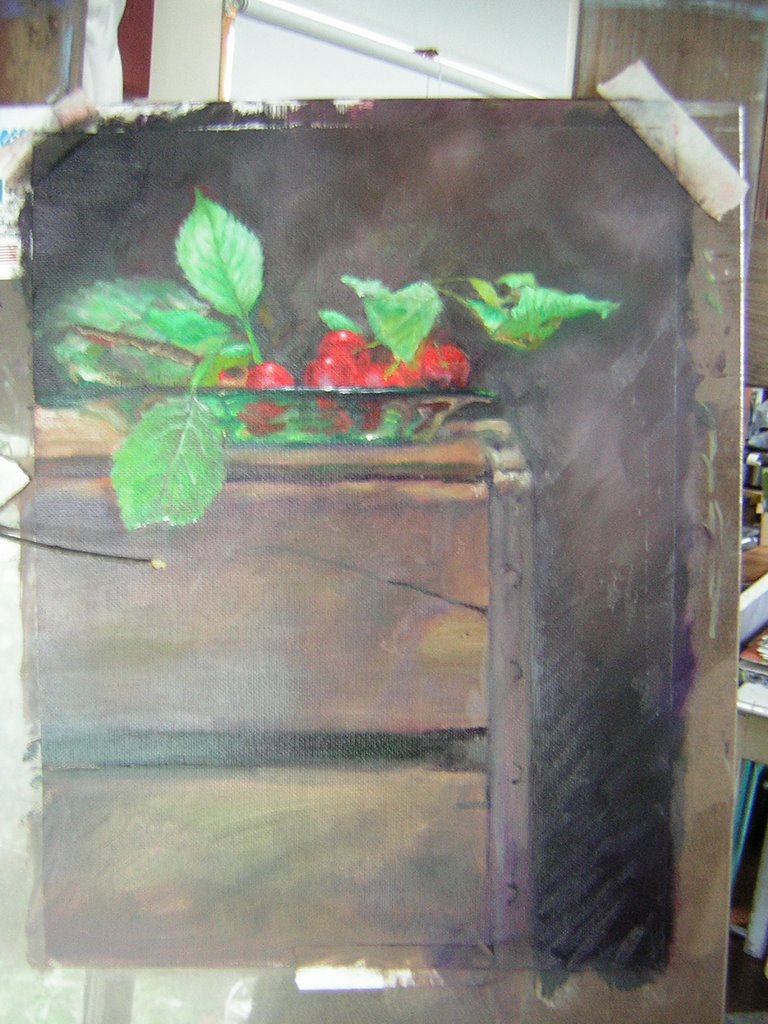
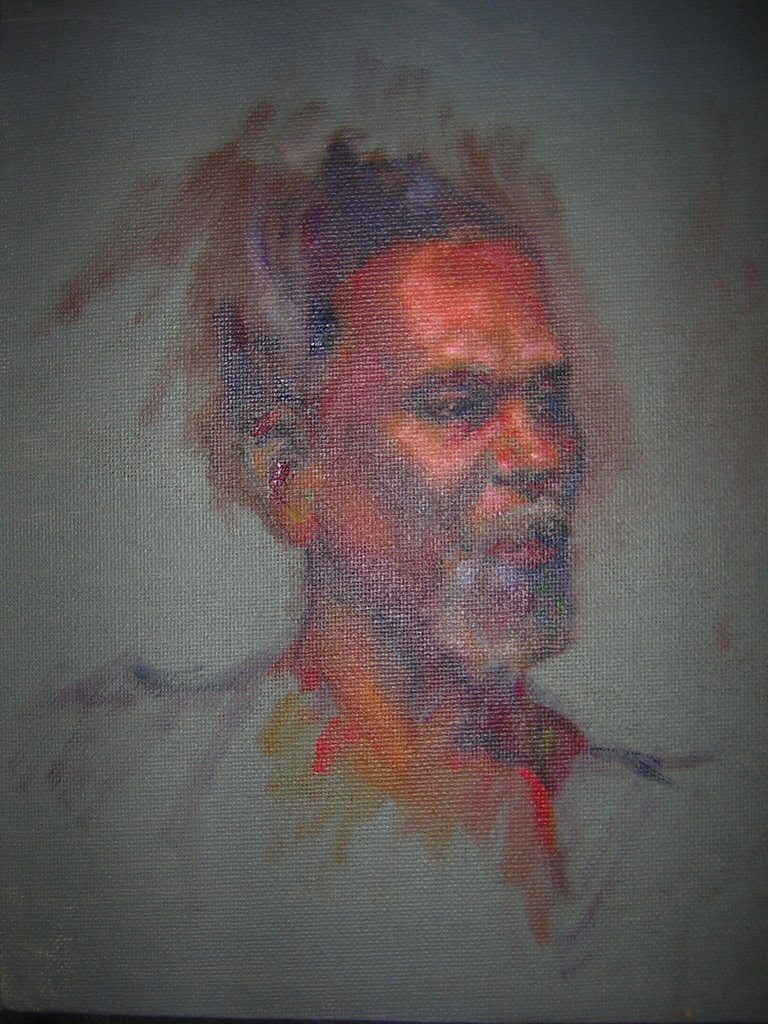 Blending and diffusing the highlights.
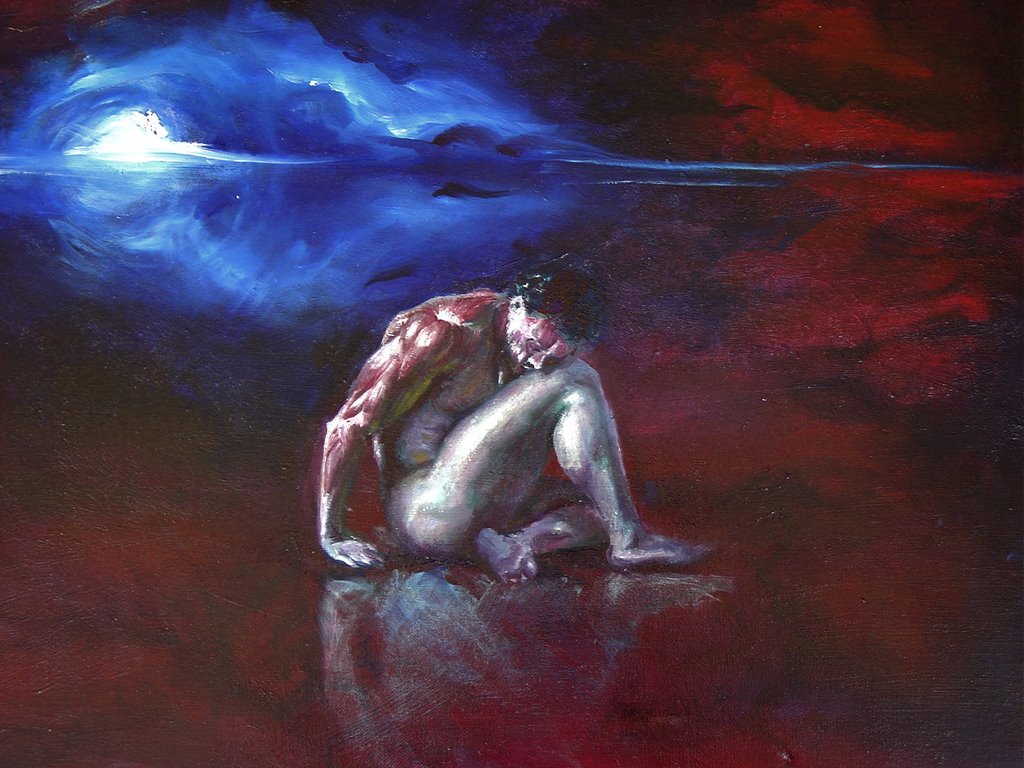
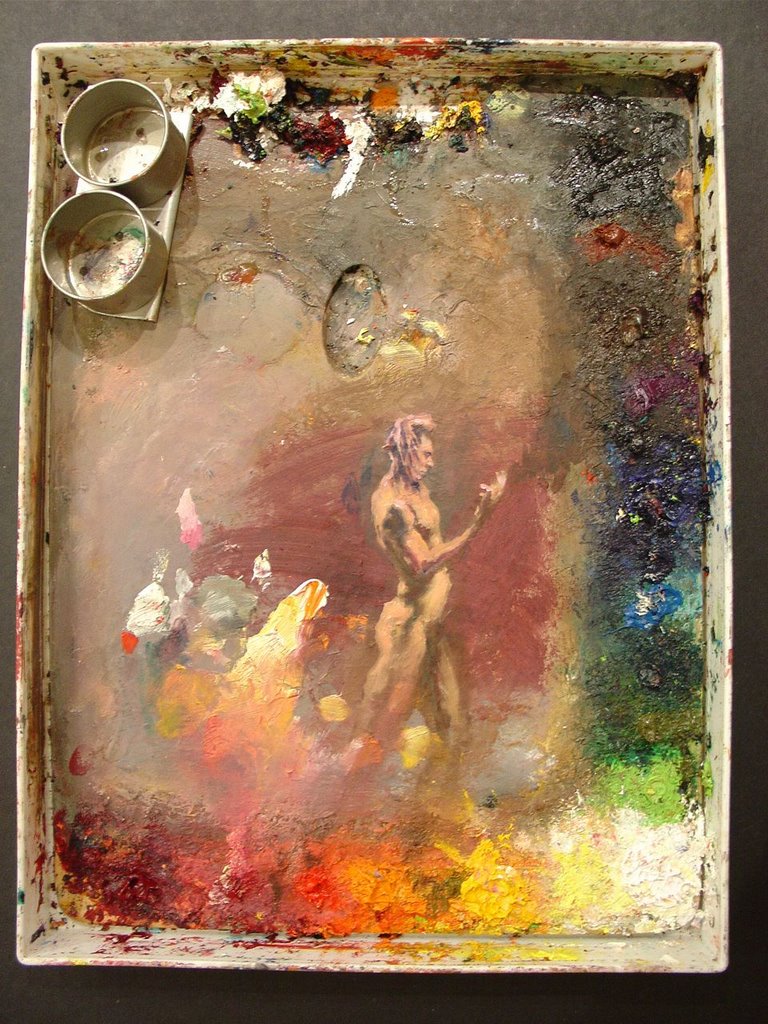
 Composition of this complicated setup.
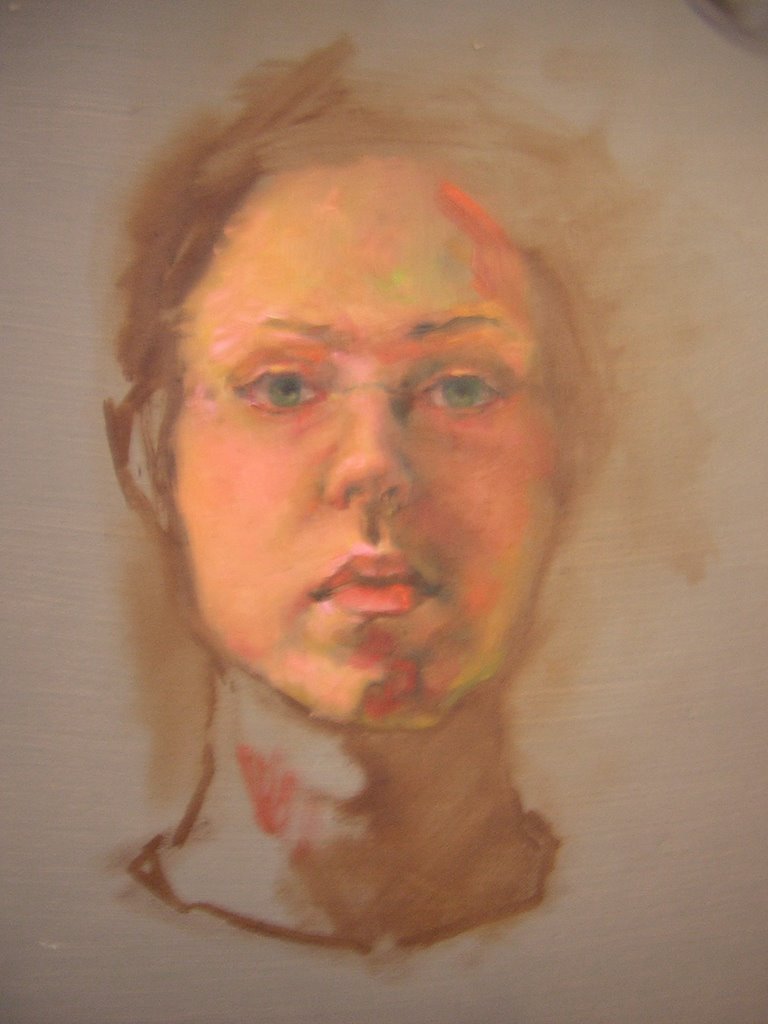 No more crazy jumps from red to green. Haha.